
Celebrating Mothers Means Confronting What’s Failing Them
May 6, 2026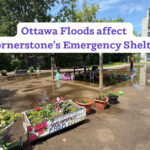
Media Statement: Flooding at Cornerstone Housing for Women
July 2, 2026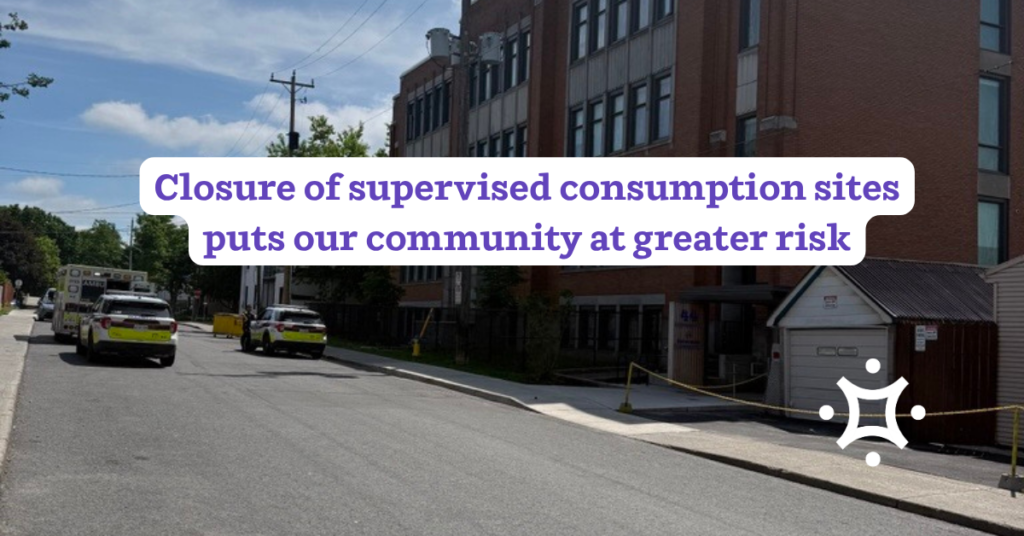
Closure of supervised consumption site puts our community at greater risk
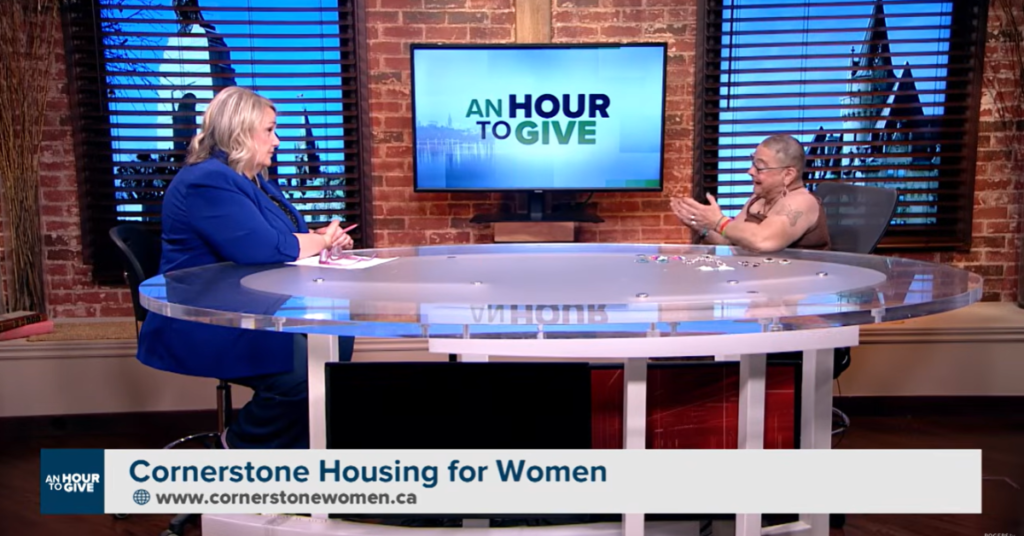
By Anne Marie Hopkins, Executive Director, Cornerstone Housing for Women
As Ottawa approaches the closure of the Supervised Consumption Sites (SCS), many of us working in social services and healthcare spaces are bracing for what comes next.
In my previous role before joining Cornerstone, I was lucky to be on the team who opened Ottawa Inner City Health’s Supervised Consumption Site, otherwise known as “the Trailer.” I have seen the incredible work these spaces create for our community: lives are saved, relationships built, pathways to healthcare, referrals for treatment and case management are created.
Closures of these sites do not eliminate or even reduce substance use. It pushes it into more dangerous places and conditions. Alone, in hidden spaces, without access to care or help if it is needed. Many of us in this sector know what is going to happen next; more overdoses, more deaths, a huge increase in paramedic and hospital services. The rates of Hep C and HIV will rise. More families will say goodbye to their loved ones who did not get a chance to recover.
For women and gender diverse people, the risks are even greater. The increased vulnerability in these spaces is amplified; it is often deeply embedded and intertwined with survival strategies, gender-based violence, power dynamics, homelessness, and unaddressed trauma. For some of these women, Supervised Consumption Sites are a lifeline. They offer connection, dignity, and access to supports and services that are critical for to their health and recovery. Without these services we are seeing a dramatic decline in the mental health of our residents and an increase in using in isolation.
The change in drug supply in our country has changed dramatically. The shift from heroin- once imported- to illicit fentanyl, which can now be produced anywhere in Canada, has created an effectively limitless supply. We are, unfortunately, not going to get out of this drug crisis simply for that reason. There will never be an end to the current supply of illicit drugs. No amount of policing or criminalization will eliminate access to these substances. Consumption Sites catch a group of people who don’t have a lot of connection to other services.
We all want our communities to be safer. There are some serious and legitimate concerns about things that are happening in some of our neighborhoods in Ottawa. These concerns are real and valid and deserve thoughtful, coordinated responses. Removing services that prevent death and connect people to care will not make our communities safer.
The question before us is not whether substance use will continue after these sites close because it will. The question is whether we are willing to accept the preventable deaths, increased healthcare costs, and human suffering that will follow.
I write this because the facts of SCS closures is real and we have to understand what is going to happen in order to support our most vulnerable community members. I write this as a neighbour, a friend, and a concerned compassionate citizen leading Ontario’s largest women’s shelter.