“I never imagined I would be homeless. No one wants to stay at a shelter. Every day was a struggle. But now I have a place to call home.”
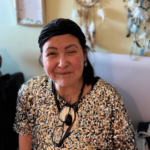
Meet Beverley
April 10, 2026Meet Coco
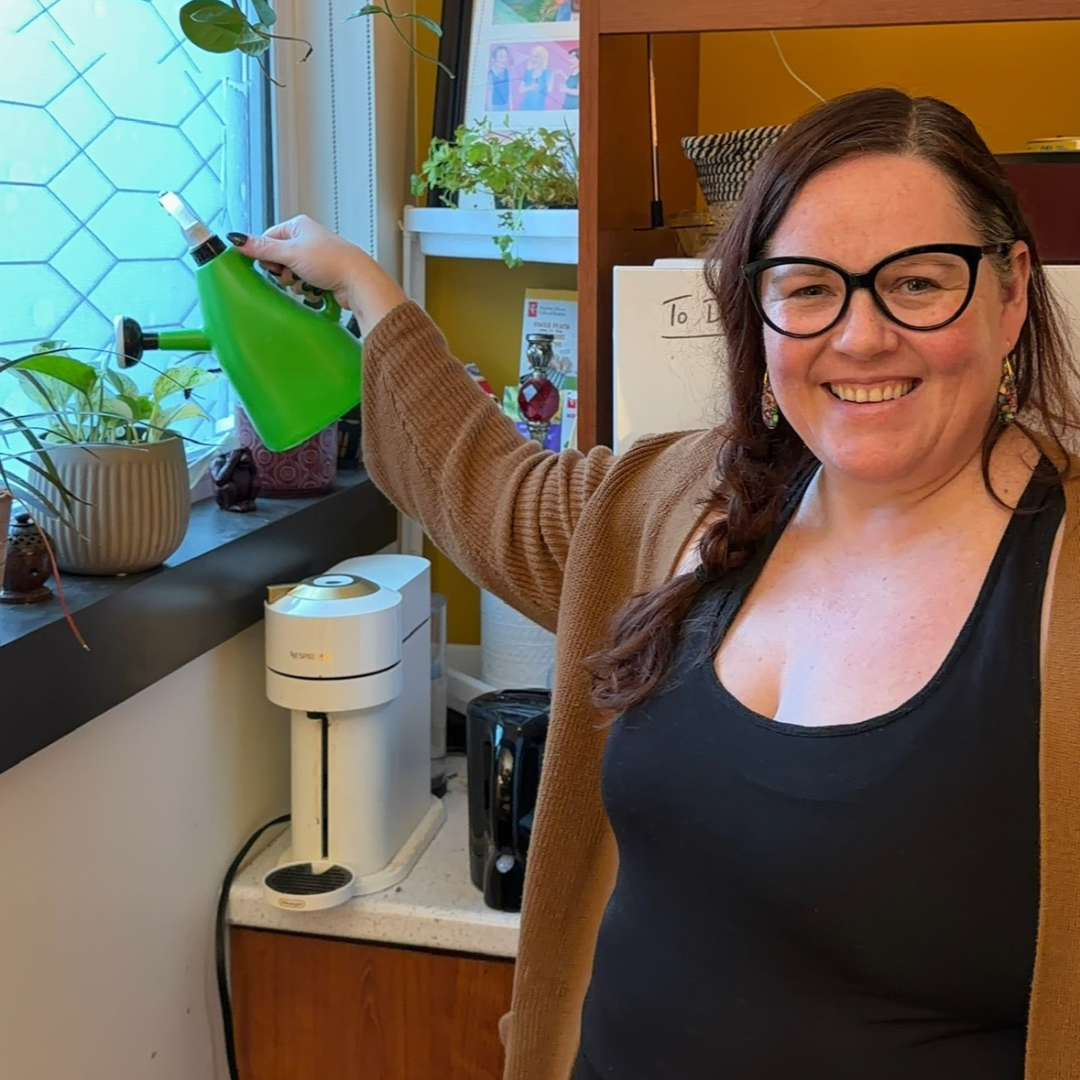
From Homelessness to Hope.
My name is Coco. I am a 46-year-old DeafBlind woman, born and raised in Ottawa. I never imagined that someone like me, with an education, a career and a lifetime of international advocacy work, would one day experience homelessness.
I have a Bachelor of Arts degree in Communications from Gallaudet University in Washington, D.C. Over the years, I have travelled to 62 countries, training and lecturing in communities, universities, schools, government institutions and with families about DeafBlind barriers, abilities, solutions, education and social systems. I have advocated for allyship, human rights and meaningful change. I also volunteered in Nigeria for two years and founded the Nepal DeafBlind Project while living in Kathmandu for three years.
You never think homelessness can happen to you – until it does.
Growing up, I had what I would describe as a pretty normal life. My parents learned sign language, I attended a Deaf school and university, participated in an exchange year in Germany as a teenager, and built lasting friendships within the Deaf community.
I did what society tells you that you should do: get an education, work hard, travel, and build a life.
I spent more than 10 years living abroad, connecting with Deaf people around the world and supporting DeafBlind communities. I loved this work, but it also took a toll on me. I experienced oppression, barriers, loneliness and exhaustion.
Eventually, I returned to Canada.
Then life became increasingly difficult. I lost my partner, who passed away from a heart attack in 2021. During the pandemic, I also lost my father, my uncle and my partner’s father. My mental health declined, and I was subsequently laid off from my federal government job due to budget cuts.
The five years between 2020 and 2025 were hell.
I found myself moving from house to house, couch to couch, and eventually ended up in an abusive relationship. I experienced financial, sexual, emotional, mental and physical abuse. My partner took more than $8,000 from my savings.
After two years, I knew I had to leave. I no longer felt safe. It felt like I was falling deeper into a black hole and losing everything.
That’s when I found myself at the front door of Cornerstone Housing for Women’s emergency shelter.
I spent 44 days at Cornerstone’s emergency shelter. It was one of the toughest experiences of my life.
Can you imagine not being able to hear or see and suddenly having to choose between sleeping on the streets or going to a shelter with 165 other women? What would you do? How would you feel?
As a DeafBlind person, the experience was particularly challenging. There were so many people, each dealing with their own struggles, including addictions, mental health challenges, and family breakdowns.
Every day was a struggle, and I had to fight like hell to survive and get out of there.
No one should have to live that way. No one should have to experience homelessness.
But without emergency shelters like Cornerstone, I don’t know what would have happened to me.
I am grateful that I had food, somewhere to sleep and, most importantly, people who helped connect me to housing and support services.
I advocated every day to move out of the shelter and into a home of my own. My Cornerstone case manager, my social worker at the Canadian Hearing Society and friends outside the shelter became an important support system.
They worked tirelessly to help me find somewhere to live. Through their continued advocacy, I was eventually offered a home at one of Cornerstone’s supportive housing residences.
When I found out I was going to have a place of my own, I was in total shock. I started crying.
There’s sunshine in my life again.
I am incredibly grateful that Cornerstone was there when I needed help. Without donors and community members who support organizations like Cornerstone, I don’t know what would happen to women fleeing violence who are Deaf or DeafBlind.
My story is not over yet. There are many other Deaf and DeafBlind people who have lost their housing and need a safe place to stay.
It is through collective action, affordable housing, and community programming that we can begin to address the violence and barriers women like me continue to face.